(Image source from: Digit.in)
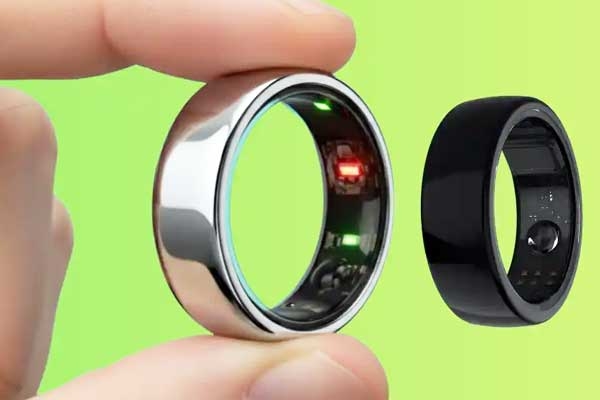
A new chapter in health technology is beginning – one where health is not followed on big screens or beeping alerts, but through a subtle ring that sits quietly on your finger. As India changes its approach to preventive health, smart rings are becoming the next big advancement in wearable devices. They provide what modern users desire: straightforwardness, reliability, and insights that motivate change in behavior, rather than just overwhelming users with numbers. The interest in smarter, more user-friendly health tracking is growing rapidly. “People want certainty, not estimates. They want straightforward information,” states Gaurav Gupta, the Founder of Gabit, noting that old-school wearables often gathered data separately. He clarifies that the new wave of gadgets must understand what the body is communicating and connect various aspects of wellness. “Health doesn’t exist separately, and wearables shouldn’t either,” he remarks.
For Amit Khatri, Co-Founder of Noise, the charm of smart rings lies in their subtle intelligence. “Their power comes from being almost unnoticeable – no screens, no distractions,” he explains. Integrated sensors monitor sleep, recovery, heart-rate variations, and temperature changes without asking for attention. “The true advantage appears when this information is combined with smart algorithms to turn patterns into individualized advice,” he notes. Cardiologist Dr. N Murali Krishna provides a medical viewpoint. “Wearable technology has greatly advanced, with devices now able to detect early irregular heartbeats and provide crucial insights for timely action,” he mentions. However, he also warns that forecasting heart issues is still an evolving area. “Current wearables aren’t perfect, and predicting sudden heart problems involves much more than just tracking heart rhythms,” he clarifies.
Unlike devices worn on the wrist, smart rings depend on their closeness to vital arteries in the fingers, allowing for more accurate data collection. Gupta points out that this accuracy is useful only if combined with insightful tools such as nudges for habits, food tracking, and smart reminders – features that enable users to manage their behaviors. Khatri emphasizes how rings are changing from health focus to everyday use. “Smart rings are poised to become a connected center for payments, authentication, and advanced sensing,” he says, indicating what wearables might look like in 2026. Meanwhile, Dr. Krishna urges cautious use. “Wearables are strong enhancements, not replacements for medical-grade monitoring,” he asserts, highlighting the importance of balancing technology's potential with clinical realities.
As India adopts preventive health, smart rings signify a significant change – shifting from counting steps to grasping physiology, from just gathering information to changing behaviors. They provide a smooth, nearly unseen way of holding oneself accountable that supports daily wellness without causing inconvenience. Although their ability to anticipate intricate heart events is still in early development, their role in enhancing consistency, awareness, and long-term habits is already transforming how people manage their health. In the coming years, smart rings will not only measure well-being but will actively contribute to its growth.